
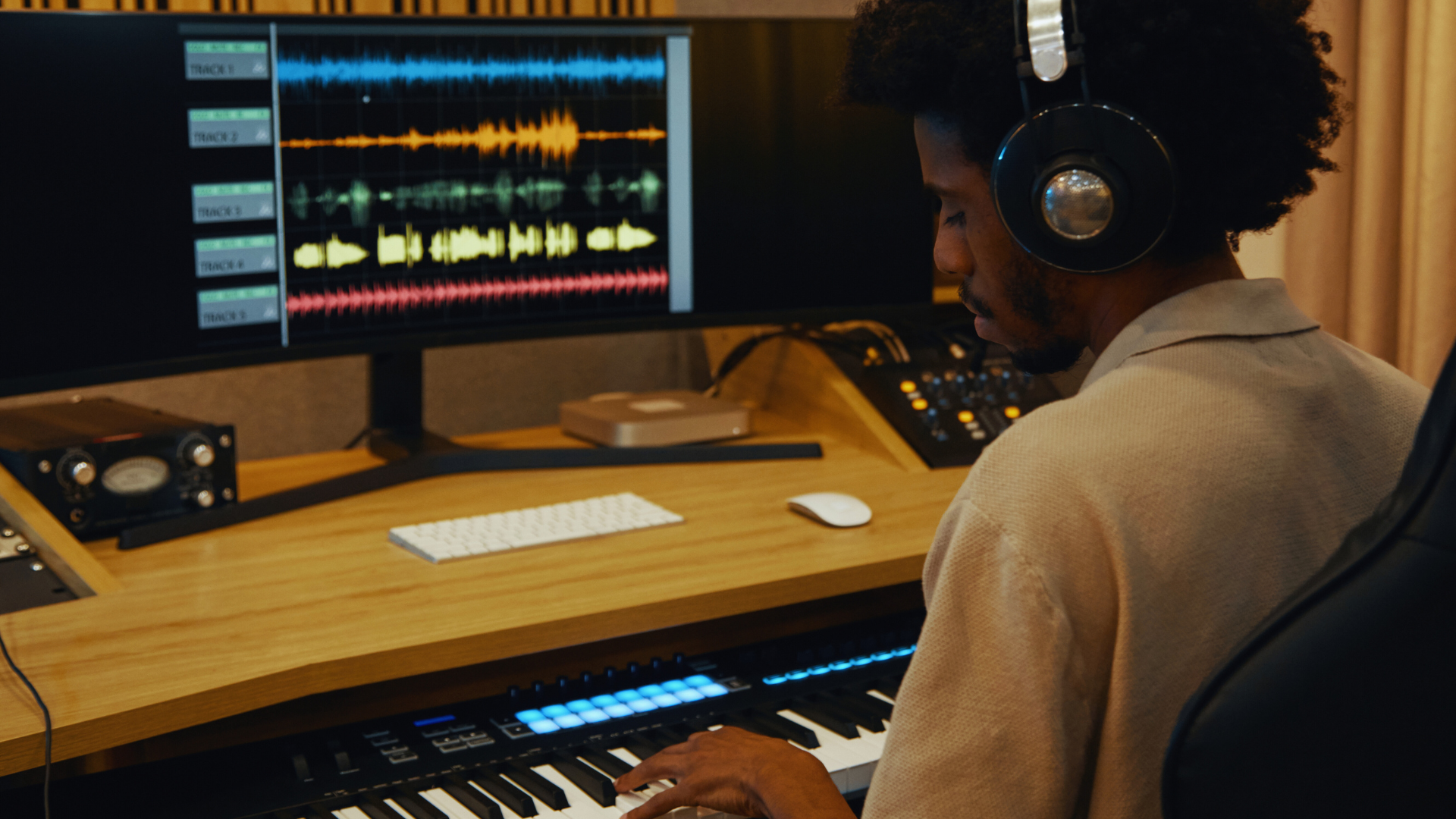
You want a clear answer: producing an independent album typically costs anywhere from a few thousand dollars for a DIY project to $20,000–$50,000 or more for higher-quality, semi-professional production. Most independent artists fall between $5,000 and $15,000 when accounting for tracking, mixing, mastering, session musicians, and basic promotion.
This post breaks down core cost factors like studio time, producers, and mixing, then exposes additional, hidden, and variable expenses such as equipment, licenses, artwork, and distribution. It gives practical ranges and choices so you can decide where to save and where to invest to reach your goals.
Core Cost Factors in Producing an Independent Music Album
Costs concentrate around where music is captured, who performs and engineers it, and how the tracks are polished and packaged. Expect variability: hours booked, personnel hired, and the choice between home, project, or commercial studios drive most expenses.
Recording Studio Options and Studio Time
Studio choice directly affects price and workflow. A commercial studio with isolation booths, high-end consoles, and outboard gear often charges $40–$200+ per hour or $300–$800 per day. Project studios with decent monitors and a midrange interface commonly run $25–$60 per hour or $150–$400 per day. Home studios reduce cash outlay to near-zero hourly rates but may require investment in acoustic treatment and microphones.
Book time by the song: tracking drums and basic band parts typically needs the most hours. Overruns add costs, so plan a realistic schedule, include setup and patching, and consider block-booking discounts. Studio rental sometimes includes an engineer; if not, budget separate engineer fees.
Session Musicians and Personnel Fees
Hiring session players varies widely by skill and market. Local instrumentalists may charge $50–$200 per song or $25–$75 per hour. High-profile or specialized players and arrangers can command $300–$1,000+ per track. Contract should clarify takes included, usage rights, and whether rehearsal time is billed.
Engineer and producer fees can be daily, hourly, or project-based. An experienced tracking engineer often charges $30–$100+ per hour or $200–$600 per day. Producers may take $250–$2,500+ per song or a percentage of royalties; a flat production fee avoids royalty splits but increases upfront cost. Include budget for assistant engineers, vocal producers, and any copyists or contractors.
Mixing and Mastering Expenses
Mixing typically costs $100–$1,000+ per song, depending on the mix engineer’s experience and session complexity. Charging models include per-track flat fees, hourly rates, or project bundles. A competent mix engineer will offer revision rounds; specify the number of revisions included to prevent surprise charges.
Mastering fees range from $20–$200 per track or $100–$500+ for an album master. Online automated mastering services offer cheaper alternatives ($1–$20 per track) but may not match a seasoned mastering engineer’s tonal balancing and sequencing skills. Factor in stem mastering if mixes aren’t consolidated, which often increases cost.
Pre-Production and Production Costs Overview
Pre-production covers songwriting tweaks, demos, arrangements, and rehearsal time. Hiring a pre-pro producer or arranger commonly costs $300–$1,200+ for a multi-song package. Demo tracking in a project or home studio reduces studio time during final sessions and often saves money.
Production costs include final tracking, overdubs, editing, and comping. Budget for software licenses, sample libraries, and session backups. Additional line items: travel, catering during multi-day sessions, instrument rental, and insurance. Tally these under per-song and per-album totals to compare scenarios: DIY in a home studio versus full commercial production with hired personnel.
Additional, Hidden, and Variable Costs in Album Production
Many expenses appear after initial planning: one-time equipment buys, recurring freelancer fees, manufacturing minimums, and ongoing promotion. These items often push an album budget well past basic tracking and mixing estimates.
Equipment and Studio Setup Costs
Equipment purchases and studio setup can range from modest to substantial, depending on goals. A basic home setup—audio interface ($150–$800), condenser microphone ($100–$700), monitors ($200–$1,200), and acoustic treatment ($100–$1,000)—can add $550–$3,700. Professional-grade microphones (Neumann, AKG) and preamps increase cost rapidly; a single high-end mic plus preamp can exceed $3,000.
Artists factor rental as an alternative: hourly rates for rooms with gear run $25–$150/hr, while full-day studio rentals often cost $300–$1,500. Rental saves capital but raises per-session expenses and may lengthen the schedule. DIY recording reduces rental but increases time costs and possible quality trade-offs.
Maintenance, cables, plugins, and backup storage also matter. Software licenses and sample libraries ($50–$1,000) and backup drives ($50–$300) are recurring or one-off line items that become hidden costs in the album cost breakdown.
Post-Production and Manufacturing
Post-production covers editing, mixing, and mastering, each often billed separately. Freelance engineers commonly charge $30–$150/hr for editing, $300–$1,500 per song for mixing, depending on complexity, and $50–$300 per track for mastering. Revisions and stems-ready mixes add extra fees and can inflate post-production costs significantly.
Manufacturing introduces minimum orders and unit costs. CD runs typically start at 100–500 units with unit costs of $1–$3; vinyl pressings require minimums of 100–300 copies and cost $8–$20 per unit, depending on color, packaging, and mastering for lacquer. Artwork, ISRC/UPC registration, barcode purchase, and packaging design often add $200–$1,200 to manufacturing costs.
Hidden post-production items include session backups, stem export fees, and ISRC insertion services. Budget line items should reserve funds for final quality control and short-notice fixes that engineers may charge extra to address.
Marketing, Distribution, and Album Promotion
Promotion and distribution can match or exceed production costs for many independent artists. Digital distribution via services like DistroKid or CD Baby costs $20–$100/year or a per-release fee; aggregator fees and platform cuts should enter the album budget early. Physical retail placement often requires inventory and return allowances that raise upfront costs.
Marketing expenses include social media ads, press kits, PR agencies, and single release campaigns. A basic paid-ad campaign on Facebook/Instagram or TikTok might run $300–$2,000 per single, while professional PR campaigns often start at $1,000–$5,000 for regional outreach. Videography for one music video ranges $500–$10,000 depending on the scope.
Freelancers for photos, copywriting, and playlist pitching add variable fees—typically $50–$500 per service. Artists should budget for analytics tools, promo copies, and shipping, which cumulatively create significant post-release costs.
Budget Strategies for Independent Artists
Independent artists should separate capital costs from per-release operational costs. Create a spreadsheet line-iteming equipment purchase vs. rental, estimated studio hours, mixing/mastering rates, manufacturing minima, and promotional spend. That makes the album cost and album budget visible and manageable.
Use staged spending: prioritize essential tracking quality gear or short-term rentals, then allocate remaining funds to post-production and marketing. Negotiate bundled rates with studios and engineers—block-booking often lowers hourly costs. Consider revenue-generating tactics like pre-orders, limited-run vinyl, or crowdfunding to cover manufacturing costs and reduce financial risk.