
You will find realistic ways to keep music central without letting it crowd out the rest of your life. Set clear priorities and simple routines so music feeds your goals and well-being rather than competing with them.
They can learn to build firm foundations—time boundaries, financial sense, and health habits—that protect creativity and relationships. Practical strategies in the article will show how to schedule practice, manage gigs and income, and maintain mental and physical energy for long-term sustainability.
By applying small, repeatable changes, they balance ambition with everyday needs and avoid burnout. The following sections break those ideas into actionable steps so they can keep making music and living a full life.
Foundations of Balancing Music and Life
This section breaks down how to define a musical journey, set realistic goals, build a consistent practice routine, and manage time so music fits into daily life. Each point focuses on concrete steps, schedules, and decisions a musician can apply immediately.
Defining Your Musical Journey
They should state what success looks like in concrete terms: genres to focus on, skills to master (e.g., sight-reading, improvisation, recording), performance targets, and timelines. A written statement—one paragraph of goals—helps clarify priorities and prevents drifting between too many projects.
Use a short inventory to map current skills and desired outcomes:
- Strengths (techniques, repertoire)
- Gaps (theory, endurance)
- Resources (teacher, instruments, studio time)
- Constraints (work hours, family commitments)
They should categorize the journey into phases: foundation (technique, basics), development (repertoire, ensemble work), and application (recording, gigs). Each phase gets a 3–12 month objective and measurable milestones, like “learn 20 jazz standards in 6 months” or “record a 3-song demo by month 9.” This keeps the musical journey tangible and manageable.
Setting Realistic and Achievable Goals
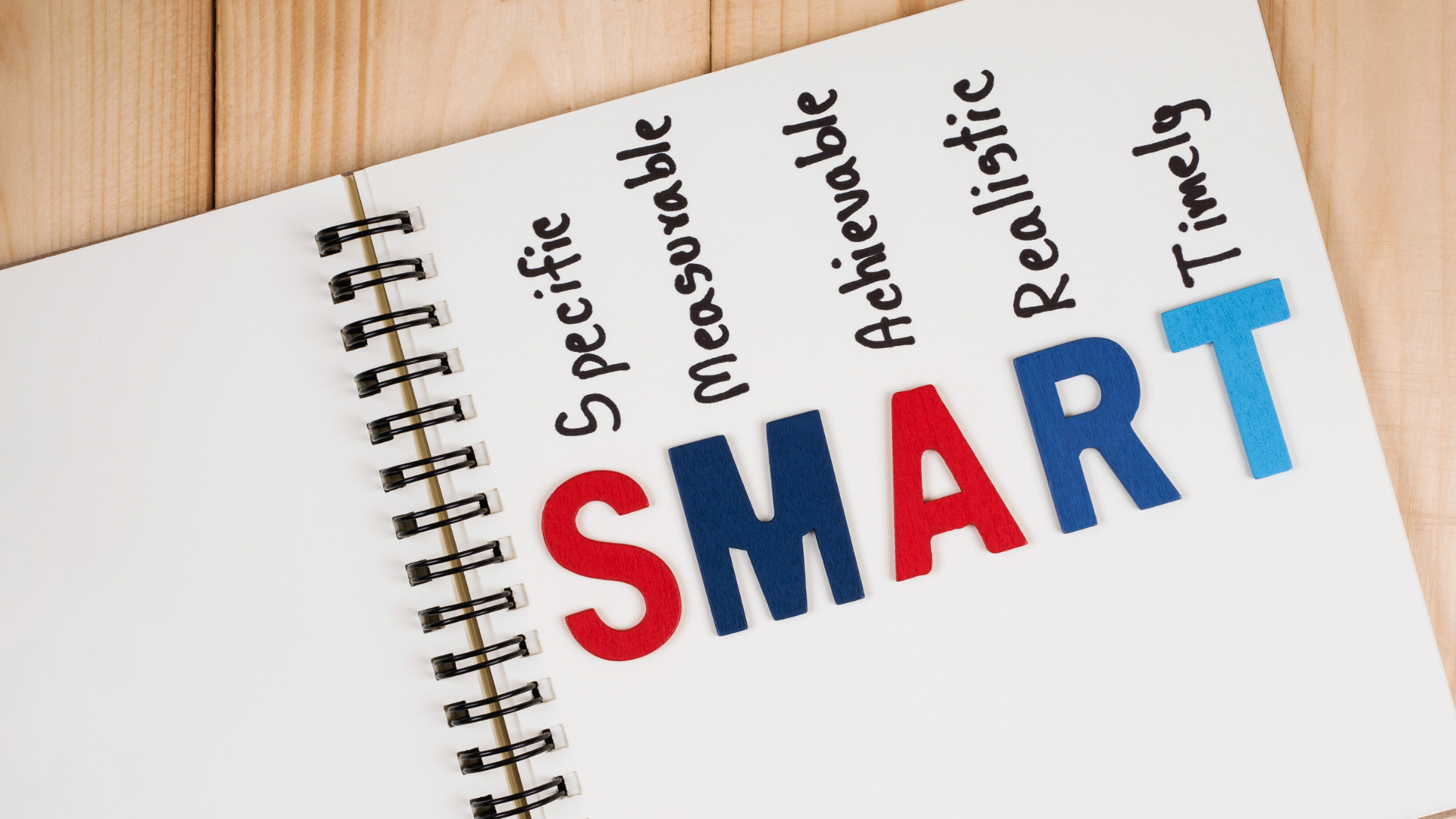
They must convert ambitions into SMART goals: Specific, Measurable, Achievable, Relevant, Time-bound. Replace vague aims like “get better” with tasks such as “practice scales for 15 minutes daily, five days a week” or “book one studio session within 90 days.”
Prioritize goals by impact and feasibility. Use a simple matrix:
- High impact / High feasibility: immediate focus
- High impact / Low feasibility: plan and break into steps
- Low impact / High feasibility: batch into warm-ups
- Low impact / Low feasibility: drop or postpone
They should set short-term weekly targets and one or two larger quarterly goals. Track progress with a practice log or app showing minutes, pieces worked, and technique focus. Reviewing goals monthly keeps them realistic and aligned with life demands, which helps balance music and life.
Establishing Consistent Practice Routines
They should design routines tied to specific outcomes: warm-up (10–15 minutes), technical work (20 minutes), repertoire (20–30 minutes), and creative time (improv/composition, 10–20 minutes). Small, repeatable blocks prevent burnout and fit around work or family schedules.
Use structure and variety to stay motivated. Rotate repertoire days (classical, jazz, originals) and assign focused goals per session (tempo increase, articulation, memory). Keep a simple checklist:
- Warm-up: scales, arpeggios
- Technique: etudes, exercises
- Repertoire: one piece focus
- Creative: improvisation or songwriting
- Review: record and note one improvement
They should schedule practice in fixed slots—before work, during lunch, or after children’s bedtime—and protect them as appointments. Consistent practice routine beats sporadic marathon sessions for long-term progress and helps balance music and life.
Time Management and Prioritization
They must audit weekly to find real practice windows. Track daily obligations for one week, then identify 30–60 minute blocks that recur. Use those blocks for the practice routine created above.
Apply prioritization techniques: the Eisenhower matrix for tasks, time-blocking for rehearsals, and batching administrative tasks (emails, booking) into one weekly session. Set hard limits on low-value activities like social media during practice times.
Use tools to enforce boundaries: shared calendars, “do not disturb” phone modes, and visible timers. For gigs and rehearsals, negotiate start and end times to avoid spillover into family or work hours. Clear priorities and tight scheduling reduce conflict and make balancing music and life predictable.
Strategies for Sustainable Balance and Personal Well-Being
This section shows concrete steps to create a dependable daily routine, build local and virtual support, prevent burnout, and handle performance anxiety with practical tools.
Designing a Supportive Practice Environment
They should set up a consistent physical space that signals work time: a dedicated corner or room, a music stand at eye level, and ergonomically adjusted seating. Control acoustics with rugs, curtains, or foam panels to protect hearing and reduce strain; keep frequently used items within arm’s reach to minimize interruptions.
Time blocking helps: schedule 25–50 minute focused practice blocks with 5–10 minute breaks, and a longer break after two to three blocks. Use a practice plan that lists specific goals (warm-up, technique, repertoire, sight-reading) and track progress in a simple journal or an app. Limit multiscreen distractions by silencing notifications and using a single timer.
They should also set environmental boundaries: a visible “do not disturb” sign during practice and agreed household times. Good lighting and hydration support endurance. Periodically review and reconfigure the space as needs change.
Building a Supportive Network and Community
They should join local music groups, ensembles, or weekly chamber sessions to gain regular performance opportunities and peer feedback. Use community bulletin boards, college ensemble lists, or Meetup to find groups and audition windows. Attend two local events per month to expand contacts and stay accountable.
Mentors and teachers provide targeted critique; schedule monthly lessons or coaching sessions, and bring a short goal list. Exchange repertoire with peers and form a small accountability trio that meets biweekly for mock performances. Use online forums and video groups for supplemental feedback, but prioritize in-person practice with local peers when possible.
Develop simple reciprocity: offer to cover rehearsals, share scores, or host practice nights. That builds a supportive environment where practical needs—instrument space, equipment loans, and group coaching—become easier to manage.
Preventing Burnout and Staying Motivated
They should monitor cumulative load across music, work, and home life by tracking weekly hours and perceived effort in a spreadsheet or app. Reduce overload by cutting one nonessential commitment each month and reallocating that time to rest or creative play. Recognize early signs of burnout: chronic fatigue, loss of interest, irritability, or declining practice quality.
Incorporate variety to maintain interest: alternate technical work with ensemble pieces and creative improvisation. Use short-term goals (weekly targets) and small rewards—record a short performance to share with friends, or treat themselves after a successful month. Build recovery into schedules: regular days off and a full week off each season.
Use mindfulness briefings before practice—two minutes of breathing or body scan—to reset focus. If burnout symptoms persist after pacing and rest, consult a counselor or physician rather than pushing through.
Adapting to Challenges and Managing Performance Anxiety
They should prepare for variability by creating flexible practice plans that allow reduced-intensity days and emergency adjustments. When travel, illness, or time conflicts arise, switch to mental practice, sight-reading, or listening work to preserve progress. Keep a prioritized repertoire list to know which pieces need full runs and which need maintenance.
For performance anxiety, use simulated performances: record video or play for two friends weekly to desensitize pressure. Combine cognitive reframing—focus on communicating music rather than judgment—with physical techniques: progressive muscle relaxation and breathing exercises (4–4–6 pattern) before going onstage. Arrive early to check acoustics and make simple warm-ups that replicate performance conditions.
If anxiety interferes with functioning, seek a performance coach or therapist with experience in musicians’ issues. Integrate these strategies into time-blocked schedules so preparation and coping become routine elements of the musical life.